Ellis Wagner · 17 November 2026
Tracing the Technical Pathways of Compliance-Driven Content Variations in Cross-Border E-Commerce Sites
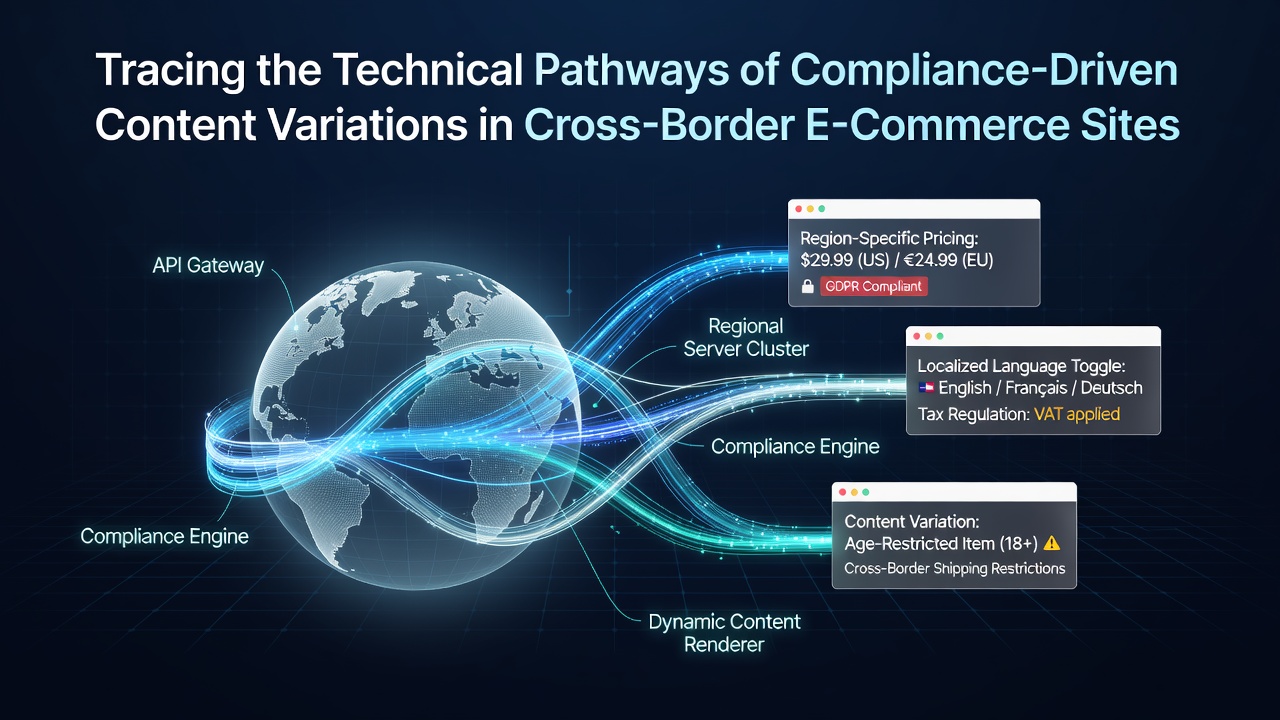
Cross-border e-commerce operations rely on layered technical systems that detect user locations and apply jurisdiction-specific content rules, and these systems integrate geo-IP databases with server-side logic to modify product descriptions, pricing displays, legal notices, and marketing elements before they reach the browser. Observers note that such adaptations emerged as regulatory frameworks expanded across regions, with platforms routing requests through content delivery networks configured to serve variant pages based on detected country codes and compliance flags stored in backend databases.
Core Technical Components Driving Variations
Developers build these pathways using combinations of edge computing nodes, API endpoints that pull regional data sets, and conditional rendering engines that swap HTML fragments according to predefined compliance matrices, while session management tools track user origins without storing unnecessary personal identifiers. Data indicates that many large platforms employ machine learning classifiers to predict which content elements require adjustment, and these classifiers train on historical logs of regulatory changes rather than individual user behavior. Researchers at institutions studying digital trade have mapped how such classifiers integrate with inventory systems to enforce rules on restricted goods, for instance flagging certain product categories when traffic originates from territories with specific import restrictions.
Regional Regulatory Influences on System Design
European data protection requirements have prompted platforms to implement consent banner variations that load different script sets depending on whether traffic arrives from EU member states, and similar patterns appear in systems handling California consumer privacy rules alongside emerging frameworks in other jurisdictions. According to information from the European Commission, updates to cross-border data flow guidelines have accelerated adoption of server-side variation techniques that keep sensitive processing within compliant boundaries. Platforms also reference guidelines from the Australian Competition and Consumer Commission when configuring price transparency modules, ensuring displayed totals include mandatory taxes and duties before checkout flows begin.
One study from academic researchers examining global digital marketplaces found that these regional adjustments often operate through modular microservices, each responsible for a single compliance domain such as age verification or currency disclosure, and these services communicate via internal message queues to assemble final page versions. The architecture allows updates to one region's rules without redeploying entire site infrastructures, which becomes particularly relevant as new directives take effect in November 2026 across several Asia-Pacific markets.
Implementation Pathways in Practice
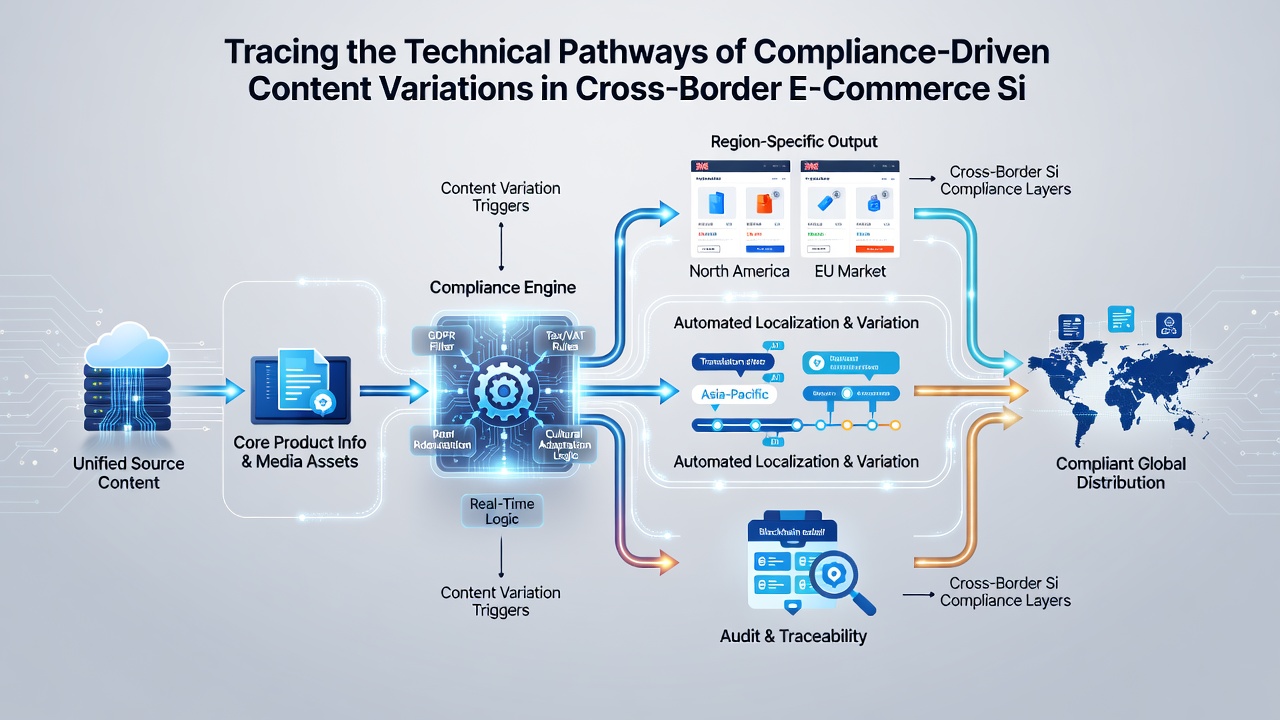
Technical teams typically start by mapping regulatory text to structured data fields, then encode those mappings into configuration files that edge servers reference during request handling, and this process creates traceable pathways from rule source to rendered output. Observers note that logging layers capture each variation decision along with timestamps and source regulations, enabling audit trails that satisfy oversight bodies without exposing full user sessions. In one documented case, an international retailer adjusted its return policy text across dozens of country-specific storefronts by updating a single rules engine that pushed changes through a centralized content repository.
Integration with payment processors adds another layer, since certain jurisdictions mandate specific disclosures about currency conversion fees and these disclosures must appear before any transaction authorization occurs. Platforms address this by injecting jurisdiction-tagged snippets into payment pages via the same variation engine used for marketing content, ensuring consistency across the user journey. Figures from industry reports show that companies maintaining such unified engines reduce the time required to roll out compliance updates by significant margins compared with manual page-by-page edits.
Challenges in Maintaining Search and Performance Standards
Search engine indexing requirements create additional constraints, because variant content must remain crawlable and distinct enough to avoid duplicate-content flags while still meeting local legal standards. Engineers therefore configure canonical tags and hreflang attributes dynamically based on the same geo-detection signals that drive content changes, and this dual-purpose system helps maintain visibility in regional search results. Data from performance monitoring tools reveals that well-optimized variation layers add minimal latency when content fragments remain small and cached at edge locations.
Yet maintenance grows complex when overlapping regulations apply, such as when a user from one country accesses a site hosted in another while using a VPN that masks the true origin. Systems counter this by combining multiple signals including browser language preferences and shipping address inputs during later checkout stages, allowing progressive refinement of displayed content without abrupt changes that might confuse visitors.
Conclusion
Technical pathways for compliance-driven content variations continue to evolve alongside regulatory developments, and platforms that maintain modular, auditable architectures position themselves to adapt efficiently when new rules activate in November 2026 and beyond. These systems combine established web technologies with jurisdiction-aware logic to deliver region-appropriate experiences while preserving core site functionality across borders.